
The history of the University of Pannonia began in 1949, when the Faculty of Heavy Weapons Industry of the Budapest University of Technology moved to Veszprém. Two years later, in 1951, the institution became autonomous as the Veszprém University of Chemical Industry, a single faculty organisation, where the Dean also exercised the rectorial powers. The first rector (also as dean) was Károly Polinszky (1949-1952). Development began in the first years: on 20 August 1952 the NEVIKI and MÁFKI research institutes were inaugurated, now under the leadership of Endre Bereczky (1952-1953). Construction work also progressed rapidly, with Building C completed by the autumn of 1953, when Ernő Nemcz (1953-1954) was at the helm of the institute.
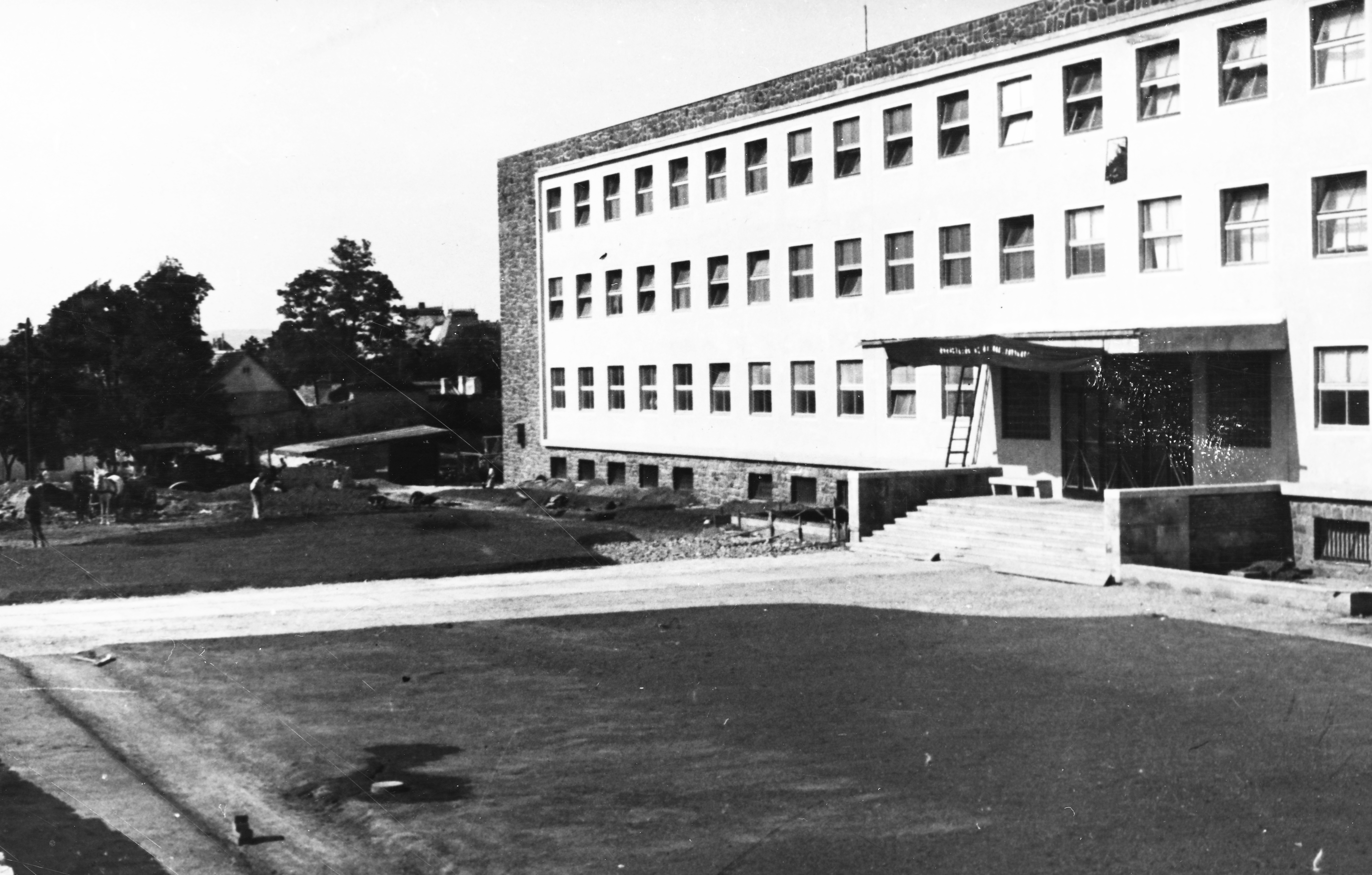
From 1954 to 1963, Károly Polinszky Károly Polinszky was again the rector of the university. During this period, much of the educational infrastructure was built and academic life was strengthened. During the 1956 revolution, the university played an active role: the Veszprém Chemical University MEFESZ was founded, Radio Free Veszprém was broadcast from Building C, and the Veszprém County National Revolutionary Council was based in Building A. After the revolution was crushed, several teachers and students were deported to the Soviet Union. In 1962, the head was officially given the title of Rector, and by 1963/64 the university had the most Kossuth Prize-winning lecturers (5).
Between 1964 and 1966, Antalos László was rector of the university. He was succeeded by Páldi Pál (1966-1971), under whose reign the first Veszprém University Days (VEN) were held in 1969, which became a nationally renowned student event. In the same year, a multi-degree engineering course was launched, the first being a degree in plant engineering. In the 1970s, during the second rectorial term of Ernő Nemecz (1971-1980), the training system was extended with new levels: the first one was a degree in organizational chemical engineering, followed by an organized technical doctoral programme and a degree in agricultural chemistry in cooperation with Keszthely.
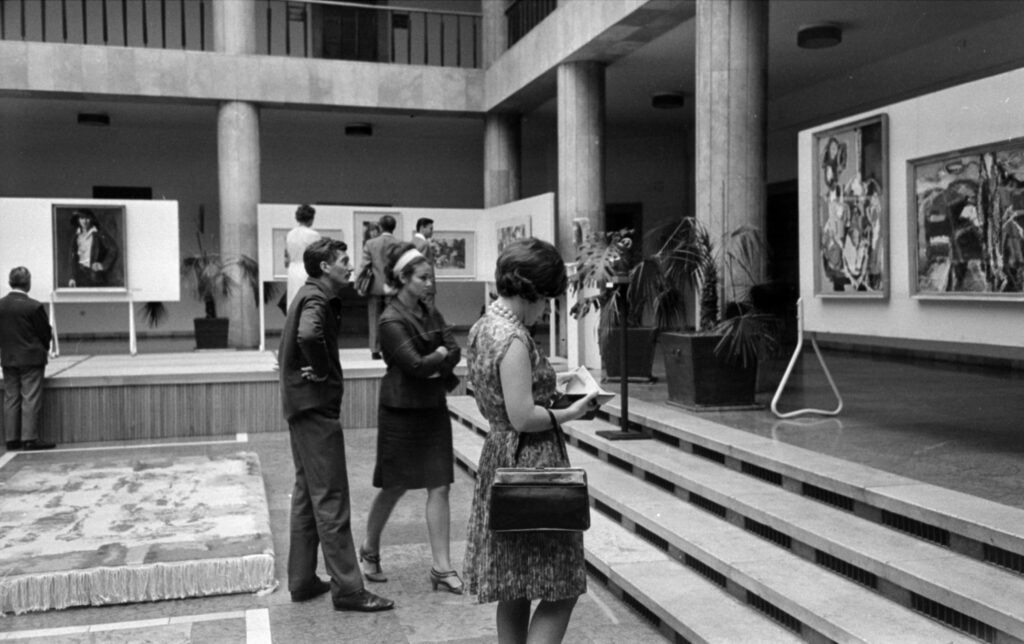
In the early eighties, the university was headed by Jososos Inczédy (1980-1981), and then by Bálint Heil (1981-1989). It was during this period that the idea of universitas and the need to expand the university's faculties was formulated. In 1984/85, a joint degree course in instrumentation and measurement technology was launched with the Budapest University of Technology.
In 1989, Josán Liszi took over the rector's duties (1989-1995), and he was responsible for the transformation of the institution during the period of regime change: the name of the institution became University of Veszprém and it became a two-faculty institution (Faculty of Engineering and Faculty of Teacher Education). In 1992, the Student Self-Government was established and PhD courses were launched. Between 1995-1998, Győri István was Rector, during which time the NEPTUN student information system and the credit system were introduced and the University obtained the MAB „accredited university” status.
The period from 1998 to 2007 was under the rector Zoltán Gaál. During this decade, the institution expanded very dynamically: new faculties were created (Faculty of Economics, Faculty of Technical Informatics), the Georgikon Faculty of Agricultural Sciences joined the institution, and new training places were opened in Nagykanizsa and Pápa. In 1999, the university celebrated its 50th anniversary, which included the first Balaton Regatta, which has been a major student and staff event ever since. In addition, significant infrastructural improvements were made: the Hotel Magister was built and the University Library and Archives moved to the renovated M building. In 2006, the institution was renamed University of Pannonia.

Between 2007-2011, Akos Rédey was the rector. From 2011 Ferenc Friedler led the university until 2015. During this time, a new training site was created in Kőszeg, the Teacher Training Centre was established and water science research was strengthened, in particular through the Ernő Soós Research Centre in Nagykanizsa.
Between 2015-2024 András Gelencsér was the Rector of the University of Pannonia. This period brought significant scientific and structural development: dual education was launched, the mechatronics engineering training in Zalaegerszeg was joined, the Nanolab electron microscopy laboratory was built, new campuses were opened in Ajka and Zalaegerszeg, and the university became an active participant in the European Capital of Culture 2023 programme. Also during this period, the first Balaton Solar Boat Challenge was organised.
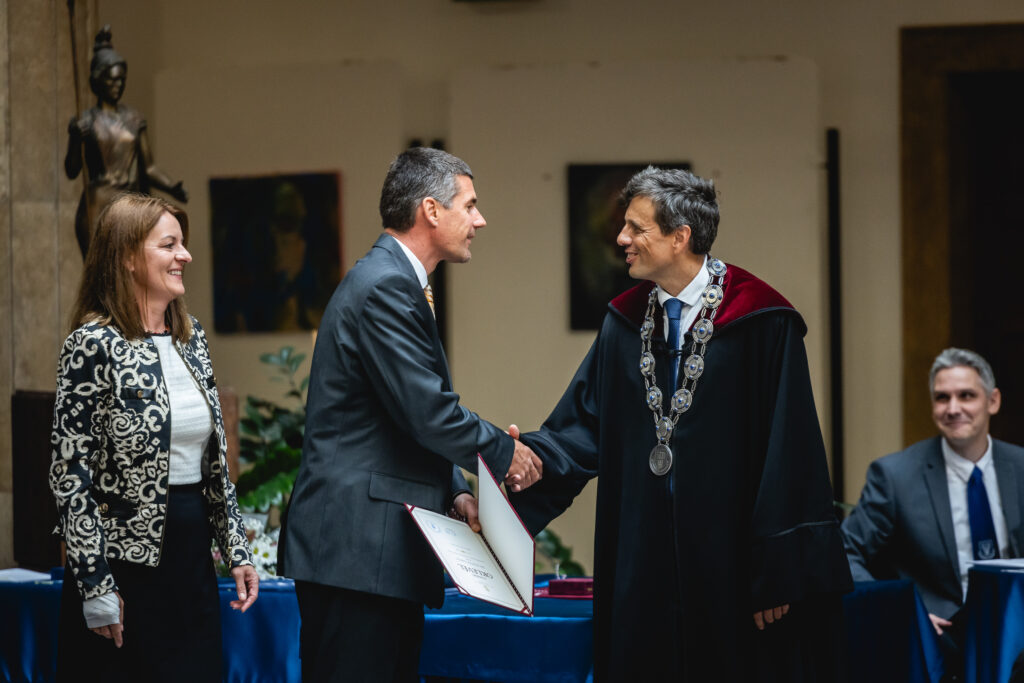
From July 2024, JososAnos Abonyi took over the rector's duties. Under the new leadership, the University will celebrate the 75th anniversary of its founding and set new strategic directions for the future, while continuing to renew its campuses and strengthen its international presence.
Timeline
1949-1952
1949: University-ranked educational institution in Veszprém: the Faculty of Chemical Engineering of BME
1951: Independent institution: Veszprém University of Chemical Engineering. As a one-faculty university, the dean exercised the powers of the rector.
1952-1953
20 August 1952 Official handover of NEVIKI and MÁFKI
1953-1954
The student population and the university apparatus are constantly growing, and new buildings are needed: first the current E and D buildings, then building C will be completed by the autumn of 1953, and the assembly hall will be handed over in 1959.
1954-1963
October 1956: Formation of the MEFESZ organisation at the University of Chemical Industries in Veszprém, the Free Veszprém Radio begins broadcasting from Building C, and the Veszprém County National Revolutionary Council is established in Building A of the university. In November, armed conflict and deportations to the Soviet Union.
1964-1966
1962. The university's head is granted the title of Rector.
1963/64. There are 3 academicians, 6 Doctors of Science and 7 individuals with a Candidate of Science degree. The number of Kossuth Prize laureates is at its highest then, with 5 people.
1966-1971
1969. On the 20th anniversary of the university's founding, VEN, the first Veszprém University Days, opens its doors, a student event unique nationwide.
1969/70. Start of multi-stage training: engineering diploma
1971-1980
The following two stages build upon this in the 1970s: organised chemical engineering training, followed by organised doctoral engineering training. Veszprém and Keszthely launch a joint programme: agricultural chemistry.
1980-1981
National economic changes highlight the problematic nature of training one-armed chemical engineers. The idea of establishing a university arises.
1981-1989
1984/85. The Instrumentation and Measurement Technology specialisation is established in joint training with the Faculty of Electrical Engineering at the Technical University of Budapest.
1989-1995
1990. The institution's new name is Veszprém University, which now has two faculties: the Faculty of Engineering and the Faculty of Teacher Training. In 1992, the Student Union was founded, and PhD programmes were launched.
1995-1998
1996. The Neptun student system and the credit system are introduced. The MAB grants the „accredited university” qualification.
1998-2007
1999. On the university's 50th jubilee, the first Balaton Regatta is launched. The Pedagogical Research Institute is founded in Pápa.
2000. The Georgikon Faculty of Agricultural Sciences joins, a new training location is established in Nagykanizsa, and the Polinszky Hall, named after the first rector, is handed over.
2001. The beginning of the operation of Doctoral Schools.
2003. The Faculty of Economics and the Faculty of Technical Informatics are established.
2004. Integration of the Research Institute for Technical Chemistry. BSc education begins at the Faculty of Technical Informatics. The student population exceeds 10,000.
2006. Construction of the Hotel Magister is completed. The University Library and Archives move into the renovated Building M. The institution's new name is Pannon University.
2007-2011
2008. Renovation of the Central Dormitory.
2009/2010. Introduction of the electronic school register. Higher education vocational training begins in Székesfehérvár. „Excellent University” rating.
2011-2015
2013. New campus in Kőszeg. Undergraduate teacher training returns, an independent Teacher Training Centre is established.
2014. The Ernő Soós Water Technology Research Centre is established in Nagykanizsa.
2015-2024
2015. Dual training starts at the Faculty of Engineering.
2016. Joins the Mechatronics Engineering degree course in Zalaegerszeg.
2018. The Nanolab, an electron microscopy laboratory, is built.
2021. Separation of the Georgikon Faculty, merging of the Zalaegerszeg Faculty of Business and Economics.
2022. The Ajka Campus opens its doors.
2023. The role of Pannon University in the European Capital of Culture programme series, the first Balaton Solar Boat Challenge race.
2024. The lower campus in Veszprém is being renewed.
2024-
75th anniversary jubilee event series. Determination of new strategic guidelines.